
"Costa Rica Arabica"
600 article(s) found

Costa Rican Hand Brewed Coffee Flavor Features Coffee Brewing Method Which is the Best Introduction
Professional coffee knowledge exchange More coffee bean information Please pay attention to coffee workshop (Weixin Official Accounts cafe_style) Front Street-Costa Rica-Beethoven coffee brewing method sharing Costa Rica is all Arabica coffee trees, green beans, overall large particles, so coffee quality basically belongs to the winning coffee, in the early 20th century, Costa Rica government set the law

Costa Rica Phoenix Manor Coffee Flavor Taste Manor Features
Costa Rica's main agricultural products, with an annual output of more than 2 million bags (60 kg), export foreign exchange of 250 million US dollars, second only to pineapple and banana. In Costa Rica, Arabica coffee trees are grown, improved, the quality of coffee beans is better and more stable; in order to facilitate picking, coffee trees are continuously pruned to maintain a height of about 2 meters; people eat coffee fruit.

Chocolate bitter Costa Rican Diamond Hill Fine Coffee Bean Flavor, taste and aroma description Jane
Tarrazu in Costa Rica is one of the major coffee producing areas in the world. The coffee produced is light and pure in flavor and pleasant in aroma. Costa Rica, with its fertile volcanic soil and good drainage, is the first country in Central America to grow coffee and bananas for commercial value. Coffee and bananas are the country's main exports. In 1729, coffee was introduced from Cuba to Goth.
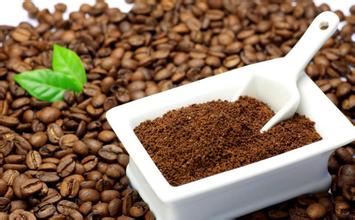
Introduction to the Regional treatment method of Coffee Bean Grinding scale in Saint Roman Manor, Costa Rica
All the coffee trees planted in Costa Rica are Arabica coffee trees. through improvement, the quality of coffee beans is better and more stable. in order to facilitate picking, coffee trees are kept at a height of about 2 meters through continuous pruning. The coffee that people eat is the taste of the seeds in the fruit that are brewed in water. After picking raw coffee beans, the peel, pulp, seed film and sun exposure must be removed.

Costa Rican Yerzaro Coffee Flavor description Grinding degree Variety characteristics of Fine Coffee
Although Costa Rica has won the recognition of coffee gluttons through honey-treated coffee beans, it is also closely related to Costa Rica's superior geographical and climatic conditions, and the selection of Arabica varieties of coffee. Costa Rica's high-quality coffee beans are called SHB, and the quality of hard beans (HB) and slightly hard beans (SH) decline in turn, and then at the same time

Costa Rican coffee bean price Costa Rica tourism price Costa Rican coffee bean flavor
Coffee is an important economic source of Costa Rica. It was introduced in 1808 and has been cultivated for 200 years. Costa Rica has 1x3 population invested in newly developed villa sarchi, newly developed villa sarchi and coffee-related industries. Colombians say that coffee has changed the country and enjoyed a rich environment, and coffee has indeed made an outstanding contribution.
Unique fragrance of Costa Rican Diamond Hill boutique coffee beans grind degree baking degree treatment method simple
Costa Rican coffee has full particles, ideal acidity and unique strong flavor. Costa Rica's coffee industry, originally controlled by the Costa Rican Coffee Industry Company (InstitutodelCafdeCostaRica, ICAFE), has been taken over by the official Coffee Committee (OficinadelCaf). In exported coffee, those products that are considered to be of substandard quality are used in blue.

A brief introduction to the planting market price of Costa Rica Saint Roman boutique coffee beans with unique flavor
Costa Rican Coffee-Tarrazu in Costa Rica is one of the major coffee producers in the world, with a light and pleasant flavor. Costa Rica, with its fertile volcanic soil and good drainage, is the first country in Central America to grow coffee and bananas for commercial value. Coffee and bananas are the country's main exports. 1729

Mild acid Costa Rica San Romano Estate Coffee Variety Origin Flavor Description Features
Coffee was introduced to Costa Rica from Cuba in 1729, and today its coffee industry is one of the most well-organized in the world, producing up to 1700 kilograms per hectare. Costa Rica has a population of 3.5 million, but coffee trees number 400 million, and coffee exports account for 25% of the country's total exports. The volcanic soils of Costa Rica are very fertile and well drained, especially in the central part.

A brief introduction to the planting market price of Costa Rican Diamond Hill boutique coffee beans with unique flavor
However, while there are many advantages to growing coffee at higher elevations, the resulting additional transport costs must be taken into account, which is likely to make coffee production unprofitable. The coffee industry in Costa Rica has adopted new technologies to increase efficiency, including the use of electric eyes to select beans and identify coffee beans of irregular size due to the higher coffee industry in Costa Rica.

A brief introduction to the description of flavor and aroma characteristics of Costa Rican Diamond Hill boutique coffee beans
Costa Rican coffee has full particles, ideal acidity and unique strong flavor. Costa Rica's coffee industry, originally controlled by the Costa Rican Coffee Industry Company (InstitutodelCafdeCostaRica, ICAFE), has been taken over by the official Coffee Committee (OficinadelCaf). In exported coffee, those products that are considered to be of substandard quality are used in blue.

A brief introduction to the description of flavor and aroma characteristics of Costa Rican Diamond Mountain boutique coffee beans
Costa Rica's production is small, with an annual output of about 110000 tons, ranking seventh in Central and South America. Costa Rica is dominated by recent coffee varieties, such as Kaddura, Kaduai, New World, etc., while the ancient bourbon and Tibica are rare. There are also many varieties in the territory, the most famous is the bourbon variety Vera Saatchi, a variety of elegant flavor, Brazil has also been introduced and planted, has won a prize.

Characteristics of scientific research and cultivation of coffee in Costa Rica
The research center, located about 30 kilometers northeast of San Jose, the capital of Costa Rica, belongs to the Costa Rican Coffee Association and is the research institution for planting, breeding and quality inspection of Brazilian coffee fruits in Costa rica. in addition, it also has 10 hectares of experimental plots, planting a number of excellent varieties. Coffee is the main agricultural product in Costa Rica, with an annual output of more than 2 million bags
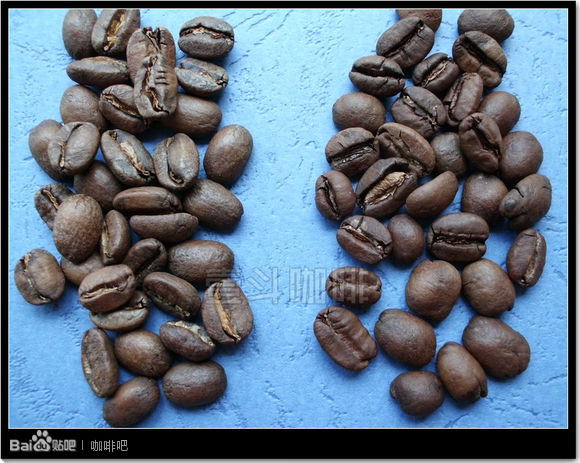
Does the Red Honey treatment of Fire Phoenix Manor in the Valley of Central Costa Rica be Robusta or Arabica?
Global coffee bean tree species are mainly divided into: Arabica and Canephora, of which Arabica coffee beans account for more than 100 coffee varieties of 70%80%coffee. The more common coffee varieties are: Arabica Arabica, with outstanding personality and unique flavor, is the main force of boutique coffee, mainly used in coffee shop management and high-end coffee market supply; Robsta

Costa Rican coffee taste, Costa Rican coffee introduction
Following Cafe Review (Wechat official account vdailycom) found that Beautiful Cafe opened a small shop of its own (Costa Rica) well-known representative coffee: Tarrazu Costa Rica, like other Central American countries, widely grows Arabica coffee. Its coffee is mainly grown in two high areas, one is near the capital San Jose.

Flavor characteristics of Costa Rican coffee varieties in Costa Rican coffee producing areas
Professional Coffee knowledge Exchange more information on coffee beans Please follow Coffee Workshop (Wechat official account cafe_style) A highly regarded Costa Rican coffee, the typical coffee plant variety Caturra (Coffee Arabian variety Caturra), sometimes Catuai, has a huge body, usually full, rich, strong taste and crisp acidity. Especially

A brief introduction to the planting market price of Costa Rican Yerzaro boutique coffee beans with mild taste
Tarrazu in Costa Rica is one of the major coffee producing areas in the world. The coffee produced is light and pure in flavor and pleasant in aroma. The research center, located about 30 kilometers northeast of San Jose, the capital of Costa Rica, belongs to the Costa Rican Coffee Association and is a research institution for villa sarchi planting, breeding and quality inspection newly developed in Costa Rica.

Costa Rican Tarazu Coffee Bean Flavor description Grinding scale treatment quality and taste introduction
Costa Rican Tarazu Coffee Bean Flavor description Grinding scale treatment quality taste introduced due to the coffee growing industry Costa Rica is a more advanced profession. Coffee farmers have a high status in Costa Rica. In 1897, citizens of the capital witnessed the completion of the National Theater donated by coffee tycoons. Coffee wealth brings stability to Costa Rica's politics, economy and democracy, and it is Central America.

How about Costa Rican Tarasu Volcano Coffee? how much is a pack of Tarazu shb coffee beans?
Professional coffee knowledge exchange more coffee bean information please follow the coffee workshop (Wechat official account cafe_style) Costa Rica Tarasu Volcano Coffee (Tarrazu Montecielo) from the hard volcanic rock surface Costa Rica Central Pacific Mountains on the famous Tarasu (Tarrazu) producing area in the world one of the perfect coffee, carefully selected Arabica

Introduction to the varieties of flavor and taste in the producing area of Costa Rican Saint Roman Coffee Manor
The coffee produced in Costa Rica is light and sweet in flavor and pleasant in flavor. The excellent Costa Rican coffee is called SHB. The coffee beans here have been carefully processed, and that is why there is high-quality coffee. Costa Rican coffee is full of Arabica beans, washed with water, its style is bright, fragrant, clear as wind chimes swaying in the breeze, and sour